
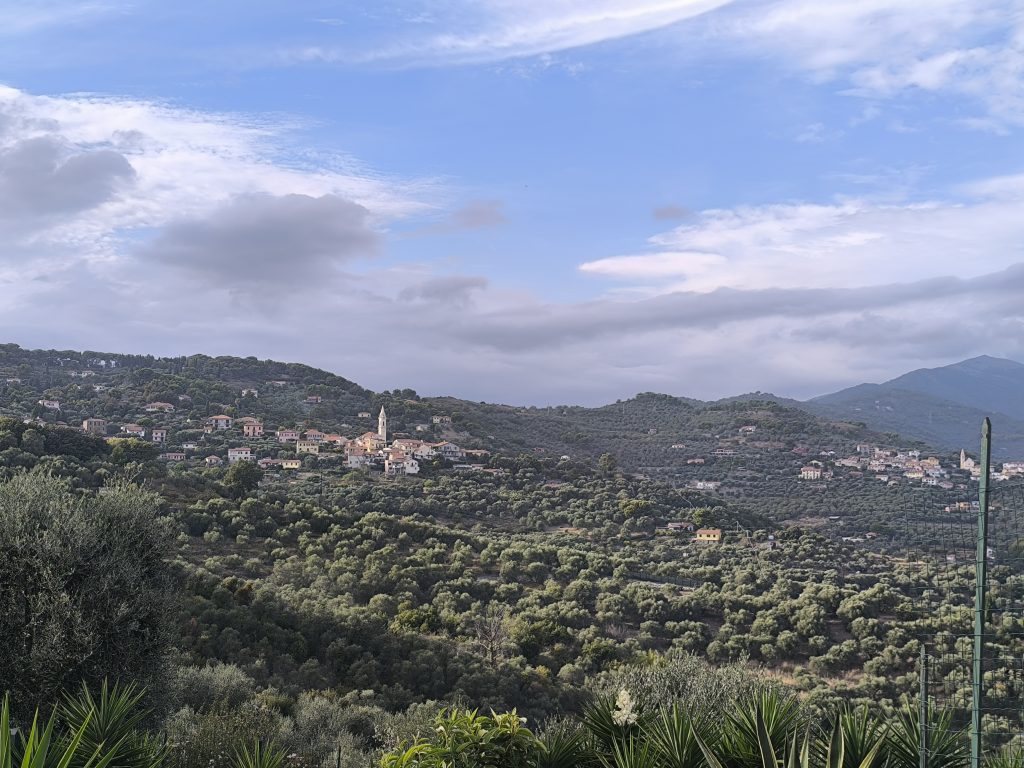
The Ligurian hills, gently sloping down towards the sea, have been home to a priceless treasure for centuries: the Taggiasca olive. Small, flavourful, and with a unique, delicate aftertaste, this olive is a symbol of the region and a product of globally recognized excellence. However, behind every bottle of fine extra virgin olive oil lies hard and demanding work, faced with unique challenges inherent to the unique morphology of the Ligurian territory.
One territory, many challenges
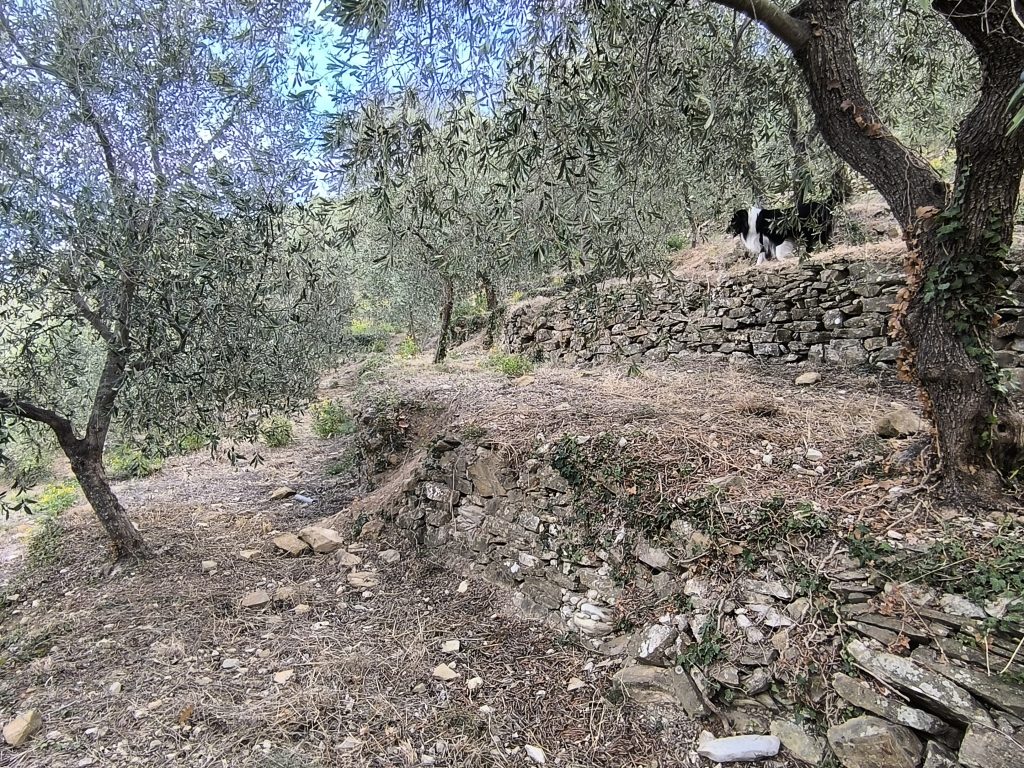
Harvesting Taggiasca olives is not as simple a task as it might be in other olive-growing regions. The main challenges are closely linked to the Ligurian landscape, characterized by steep slopes and narrow terraces supported by traditional drystone walls. Whilst the terraced slopes covered with a sea of the distinctive silver-green leaves of the Taggiasca, gently swaying and rustling in the breeze against a backdrop of impossible Mediterranean blue skies and the sea beyond, conjures up a romantic and enchanting panorama, for those who work the land, it is a different story.
Mechanization is almost impossible.
Due to the steepness and shape of the olive groves, the use of modern machinery for harvesting is extremely limited. The large shakers, effective on flat land, are completely unsuitable. Harvesting must still be done mostly by hand, a process that requires time, effort, and a large number of workers. This makes production more expensive and labour more difficult to find.
Terraces and drystone walls: a fragile beauty.
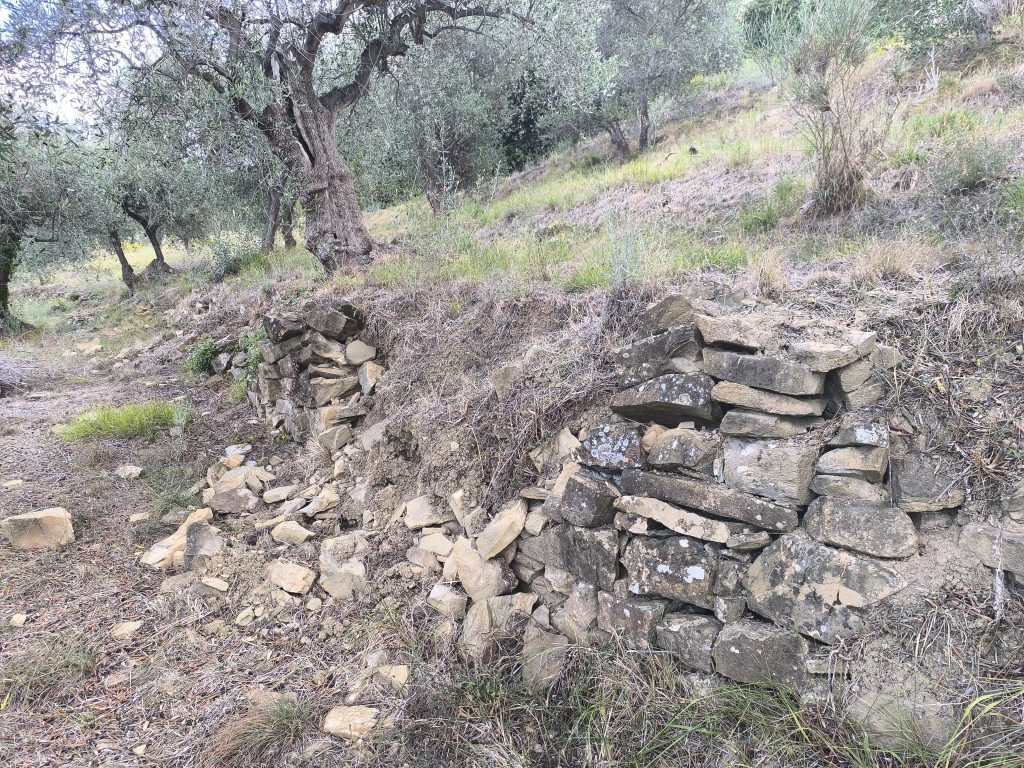
Terraces, which on the one hand protect the soil from erosion and create a unique landscape, on the other, greatly complicate harvesting. Workers move across often steep terrain, carrying crates and equipment up and down the terraces. Furthermore, drystone walls require constant maintenance. Over time they can crumble or else become damaged, often thanks to the many wild pigs which roam the area and this can represent an additional obstacle. Repairing the walls can be time-consuming and costly.
The value of a thousand-year-old tradition.
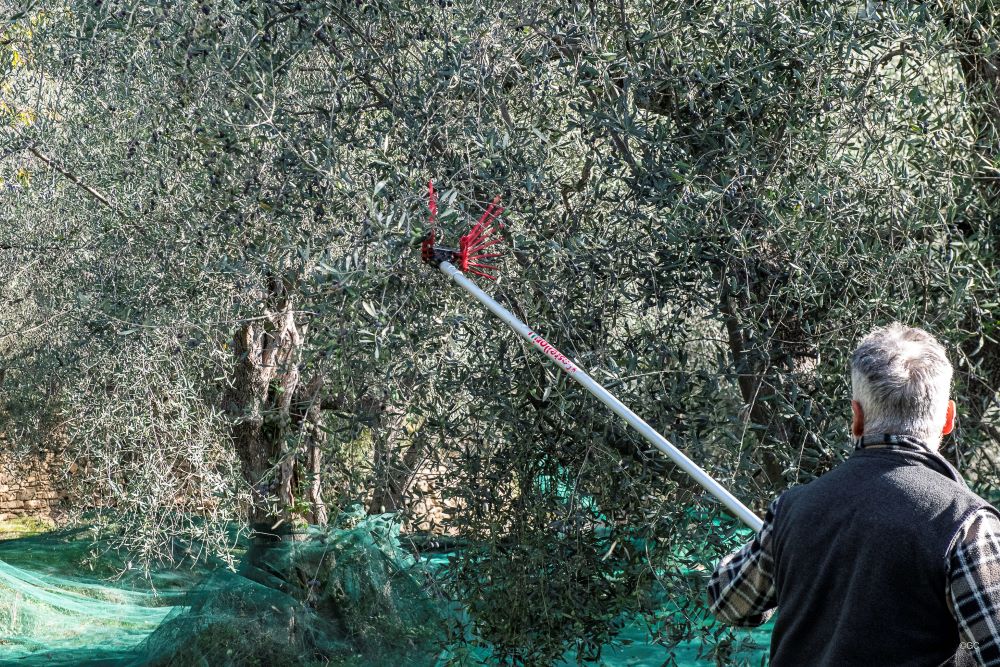
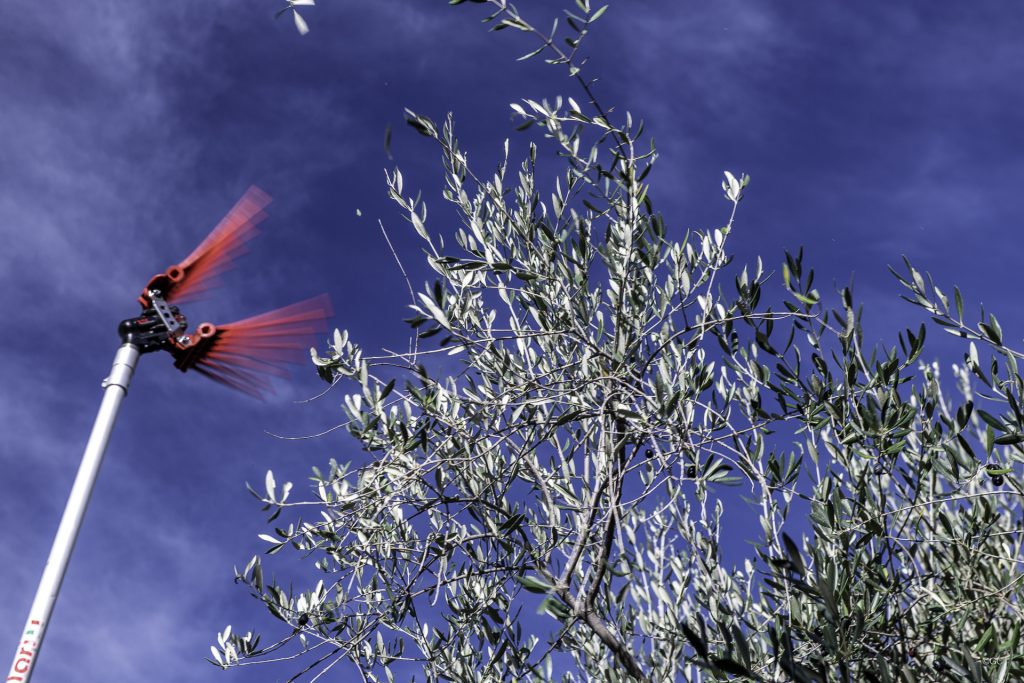
Despite these challenges, hand-picking continues to be preferred by many producers, not only out of necessity, but also by choice. This method, although less efficient, allows for a more accurate selection of the olives, ensuring a superior quality of the final product. Hand-picking allows the fruit to be picked at the perfect point of ripeness and avoids damage that could compromise the integrity of the olive, ensuring a very high-quality oil. Very often, however, small battery-operated or compressed-air beaters are used instead of the old traditional wooden “trappa” (long stick). Nets are stretched under the trees so that the olives can then be recovered once they have been knocked or beaten down. Alternatively, the nets can be suspended under the tree and left, allowing the olives to fall there naturally. (For more information visit https://www.oliocalvi.it/en/the-calvi-mill/#raccolta-oliva)
Environmental factors and pests.
The harvest is highly dependent on favourable weather conditions throughout the year, too much or too little rain at the wrong time, hails storms, heavy winds, to name a few, can all negatively impact the season. Pests like the olive fruit fly can also cause significant damage to the olives, drastically reducing the level of the harvest.
Lastly, to maintain quality and prevent fermentation, harvested olives need to be transported to the mill and processed quickly, ideally within 48 hours.
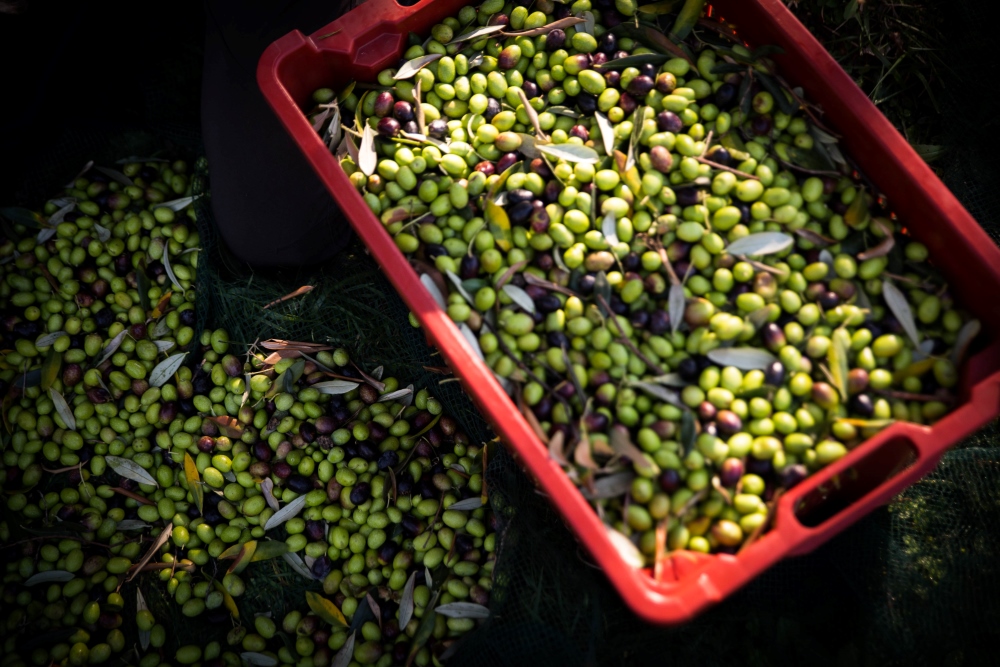
Here at Olio Calvi we use only olives that have been beaten down from the tree to make our extra virgin olive oils and the olives are processed on the day they are harvested.
In conclusion, harvesting Taggiasca olives is a ritual that celebrates the uniqueness of the Ligurian region and the tenacity of its farmers. Logistical challenges and high costs aren’t just obstacles, but elements that contribute to defining the intrinsic value and rarity of a product that is the result of a profound connection between people and the land. The next time you savour a Taggiasca olive or drizzle Taggiasca oil on your food, think of the great work and passion behind that small fruit.

